
Those who sell Italy to high-profile clients often work from an image formed ten or twenty years ago: you arrive, you walk in, you dine wherever you like. That Italy no longer exists, and Italy travel in 2027 follows new rules. In 2025, according to Istat, arrivals at accommodation establishments fell by 0.9% while overnight stays rose by 2.3%, and in the fourth quarter foreign visitors accounted for 56.5% of total stays: fewer travellers, staying longer, and ever more international. Around them, the cities have changed the rules. This piece — the first in the TourLeaderPro series for advisors, family offices and executive assistants — explains what has changed, what will change in 2027 and how a trip to Italy is designed today.
How we work with tour operators and colleagues is set out in our manifesto: No One Sells Italy Alone.
Two readings from our own network on the same ground: ItalyPlanner’s guide to avoiding the crowds and EstateRomana’s alternatives near Rome.
1. Access is no longer a detail: it is the design
Until a few years ago the logistics of an Italian trip were a function of budget. Today they are a function of the calendar and of local rules, and they must be read city by city.
| Place | Rule in force (verified 3 Sept 2026) | What it means for the client |
|---|---|---|
| Venice | access fee for day visitors: €5 if booked at least 4 days ahead, €10 otherwise; 60 days between 3 April and 26 July 2026; overnight guests exempt | those sleeping in the city do not pay, but the centre on fee days is saturated anyway: plan weekdays outside the calendar |
| Rome – Colosseum | named tickets, capped entries, groups of up to 25 tickets, whisper headsets compulsory from 9 people including the guide; no booking on the first Sunday of the month | without reserved access booked weeks ahead, the Colosseum is a queue |
| Pompeii | cap of 20,000 visitors a day | on peak days the site closes its gates: the morning opening is not an option, it is the only one |
| Rome – Trevi Fountain | capped access with a €2 ticket for non-residents, 9 am to 10 pm (11:30 am on Mondays and Fridays) | a free monument turned into a ticketed entry with a line |
| Florence – Civic Museums | new prices from 1 February 2026 (Palazzo Vecchio €18), free entry for residents only | ticket costs rise; booking limited-capacity museums is compulsory |
| State museums | Uffizi €25 (€29 in advance), priority suspended on free days | free days are to be avoided, not used |
Our detailed guides — the calendar of free museum days, why they are the wrong days for a discerning guest, the city pages on Venice, Rome, Florence and Campania — carry the updated rules.
2. Saturation is not uniform: it comes in patches
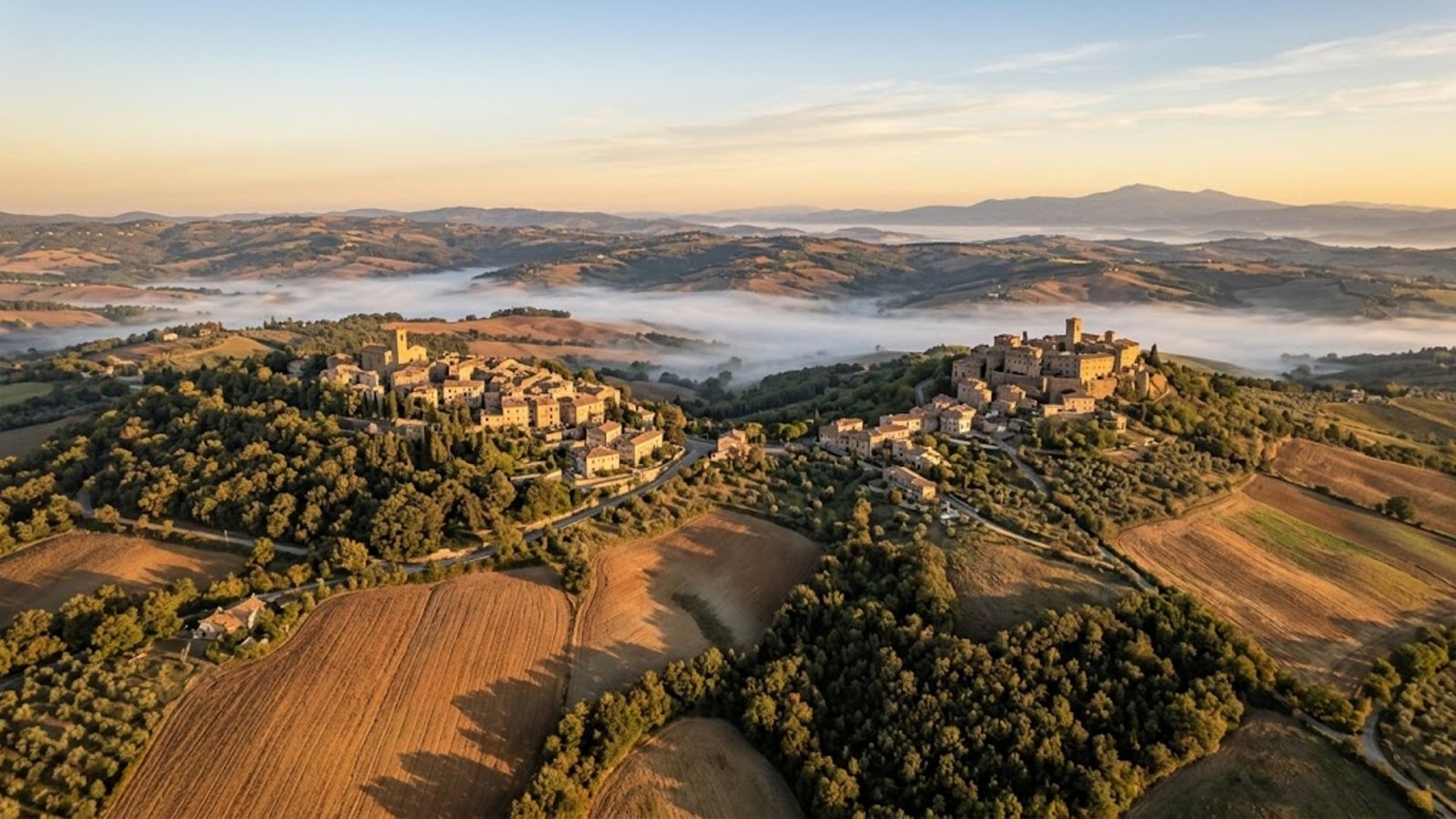
Italy is not full. Eight or ten patches are full — Venice, central Rome, Florence inside the ring roads, the Amalfi Coast in summer, the Cinque Terre, Capri, Cortina in peak weeks, Pompeii — and in those patches the pressure has grown while the country around them has emptied. For anyone designing high-profile travel it is the best news in twenty years: an hour from the patches there are art cities, villas, coasts and valleys that offer the same Italy without a public. Lucca, Bologna, Turin, Lecce, Ferrara, Mantua, Trieste; the Maremma, the Salento off season, western Sicily, the Alta Badia instead of Cortina; Lake Orta instead of Como. The client who in 2016 asked for “Venice” is, in 2027, taken to Venice for a day, behind closed doors, and to the Veneto for the rest.
3. Time is the new currency
If stays grow and arrivals fall, clients stay longer. The high-end Italian trip in 2027 is no longer the tour of the capitals in seven days: it is a base for three or four nights, with an hour’s radius and a programme alternating one reserved access a day with empty time. The consequence for those who sell: fewer stops and more depth are sold, and value shifts from tickets to the people — the curator, the owner, the artisan, the producer — who make each day unrepeatable. Our template for three days in Florence shows how it is built.
4. What will change again in 2027
- More caps. The Venice–Pompeii–Trevi model will spread: named booking and daily ceilings will become the norm at the major sites. Booking windows lengthen: those who work three weeks ahead are working late.
- Rising ticket prices, above all at the civic museums of the art cities, with free entry reserved for residents.
- Flat seasons. October and April are now high season in the art cities; the true windows are November, January–February and the first half of March.
- Regulation of short-term rentals in historic centres, with effects on the supply of high-end homes and villas: the best must be secured months ahead.
- Post-2026 infrastructure. After the Jubilee and the Winter Olympics, Rome and the Dolomites have new roads, stations and facilities: the flip side is an international demand that has discovered them.
5. Italy travel in 2027: how to design the trip
| Old reflex | New rule |
|---|---|
| “We book the tickets when the client arrives” | reserved access is booked 3–6 months ahead; public tickets are plan B |
| “Rome, Florence, Venice in seven days” | one base, an hour’s radius, one access a day |
| “The weekend is more convenient” | never the first Sunday of the month, never long weekends, never the €1 nights: the calendar is the first decision |
| “A coach and a guide” | chauffeured car, groups of 4–8, one named person for every stop |
| “Italy is Italy, it doesn’t change” | the rules change every year: work with a local advisor who reads them in Italian, every month |
For the advisor
The client must notice none of this. They must find open doors and empty rooms, and believe Italy is still the one they remember. Making a country that has become difficult look easy is work done in the field, not in an office: by tour escorts, licensed tourist guides, drivers and local producers who know the rules city by city. In the TourLeaderPro network you will find hundreds of them, all independent: you choose them and contact them directly, with no middleman. TourLeaderPro is not an agency. If you would rather talk it through with me, Daniele Dezi, licensed tour escort in Rome and founder of TourLeaderPro, my consulting sessions are here.
Sources verified on 3 September 2026: Istat – Tourist flows, Q4 2025 (9 March 2026); City of Venice – Access fee 2026; Colosseum Archaeological Park – FAQ; Archaeological Park of Pompeii; Musei in Comune Rome – 2026 tariff system; City of Florence – Civic Museums prices 2026; Uffizi Galleries – tickets. Forecasts for 2027 are the editorial team’s assessments.
Daniele Dezi — for advice on Italy travel in 2027 or for escort work in Rome, write to me: I reply within 48 hours.