
On TourLeaderPro we have written fifteen guides on free museum days in Italy: the free first Sunday, the Vatican Museums, the FAI Days, the €1 nights, the rules of Rome, Florence, Venice, Milan and Naples. They are useful guides, and we are proud of them. But they should be read with one premise that matters more than all of them: for a discerning guest, free museum Sundays are almost always the wrong day. This piece explains why, with numbers rather than snobbery, and says what to do instead.
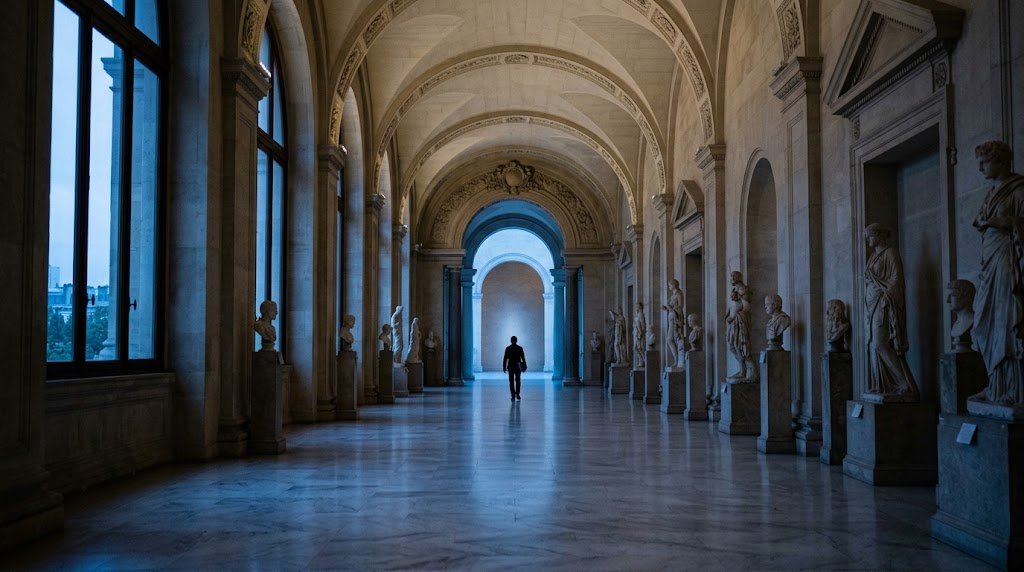
The complete calendar of free museum days remains the reference tool: it also serves — above all — to know which days to avoid. The official rules of the Domenica al Museo are published by the Italian Ministry of Culture.
Two readings from our own network on the same ground: ItalyPlanner on avoiding the crowds and the free-entry calendar on EstateRomana. The way we work with tour operators and colleagues is set out in our network manifesto.
The sum nobody does
An Uffizi ticket costs €25; the Vatican Museums about the same; the Colosseum with the Forum around €18. For a couple, the free entry is worth €40 to €60. The queuing time, on a free Sunday in high season, runs from one to three hours; the experience inside — full rooms, no chance to pause in front of a work, noise — is objectively worse. For a client who spends in a day of travel what a family spends in a month, the saving is irrelevant and the cost in quality is enormous. The sum is unbalanced beyond argument: the free day suits those who have time and lack money; the discerning guest is in the opposite position.
What really happens at the major sites
| Place | Free Sunday | Weekday with curated access |
|---|---|---|
| Vatican Museums | line from Viale Vaticano wrapping the Walls, last entry 12:30, Sistine Chapel full | entry before opening or in a reserved slot; the Sistine in silence |
| Colosseum | first-come tickets, groups max 25, timed routes | booked entry with arena or underground, archaeologist guide |
| Uffizi | priority access suspended, everyone in line | booked morning slot; Vasari Corridor with limited numbers |
| Pompeii | 20,000-visitor cap, turnstiles | entry at opening from a secondary gate, domus normally closed |
| Doge’s Palace (Venice) | never free for tourists; crowded on Musei in Festa days | Secret Itineraries in exclusivity, first slot |
The three exceptions
- The minor state museums on a low-season free Sunday: Palazzo Massimo, the Bargello, Oplontis, Paestum in February are excellent, near-empty experiences. Free entry is a detail; the emptiness is the value.
- FAI Days and Open House, not for the queue but for the map: they reveal which private properties and institutions are willing to open, and are the basis for building reserved openings the rest of the year.
- The guest who asks for it: the client who wants to see the free Sunday because they are interested in the real Italy, not only the comfortable one. In that case one chooses the right place and organises the day around the crowd, not against it.
Free museum Sundays: what to do instead
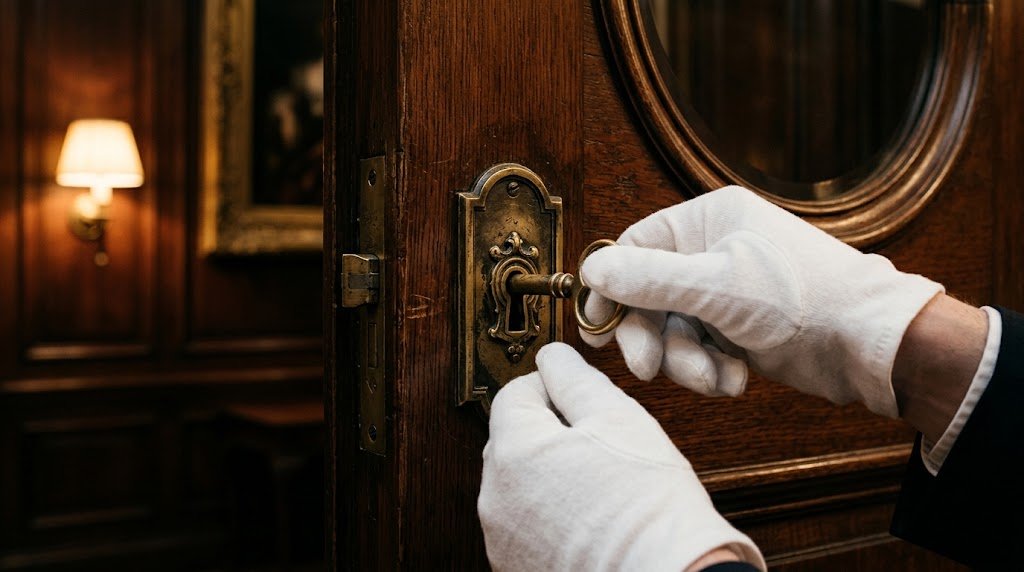
The advisor’s job is to turn time into value. The levers are known, but must be used well in advance and through direct relationships: openings before and after hours, which almost all major museums grant to qualified operators at reserved rates; visits with curators, restorers, archaeologists, which change the nature of the experience; access to storerooms, worksites, closed areas, often more memorable than the main rooms; private collections and homes, which in Italy are countless and open only to those who are introduced; and the intelligent choice of the calendar: never the first Sunday of the month at the major sites, never the long weekends, never the €1 nights, except to observe.
For the high-end guest
The sentence to say to the client is simple: “On Sunday the museums are free, and that is why on Sunday we will go elsewhere.” Then one takes the guest to an empty place, outside opening hours, with a person who truly knows it. The rest — tickets, lines, free days — is the part of the trade the client should never even see. In Rome, private experiences in Rome from the network are arranged on behalf of authorised tour operators and travel agencies.
Frequently asked questions
Should free days always be avoided?
No: at minor museums and in low season they are excellent. The ones to avoid are the major sites on long-weekend and high-season Sundays.
How much does a reserved opening cost?
It varies widely: from a few hundred to several thousand euros depending on the place, the time and the number of people. It is a cost the discerning guest considers part of the experience.
How is it obtained?
In advance, through the museums’ offices and the channels reserved for operators, and through relationships built over time. There is no online form.
The people who make a good trip possible work in the field, not in an office: tour escorts, licensed tourist guides (the only ones allowed to explain monuments and sites), NCC chauffeurs. In the TourLeaderPro network you will find hundreds of these independent professionals: the tour operator or the traveller chooses them and contacts them directly. TourLeaderPro is not an agency and does not sell tours.
The rules cited are verified in the individual guides of the series (sources: Ministry of Culture, Vatican Museums, Colosseum Archaeological Park, Uffizi Galleries, Archaeological Park of Pompeii, Fondazione Musei Civici di Venezia), updated to 3 September 2026.
Daniele Dezi — I am a licensed tour escort (accompagnatore turistico) in Rome. If you need someone to accompany your group, or advice on planning the itinerary, write to me: I reply within 48 hours.