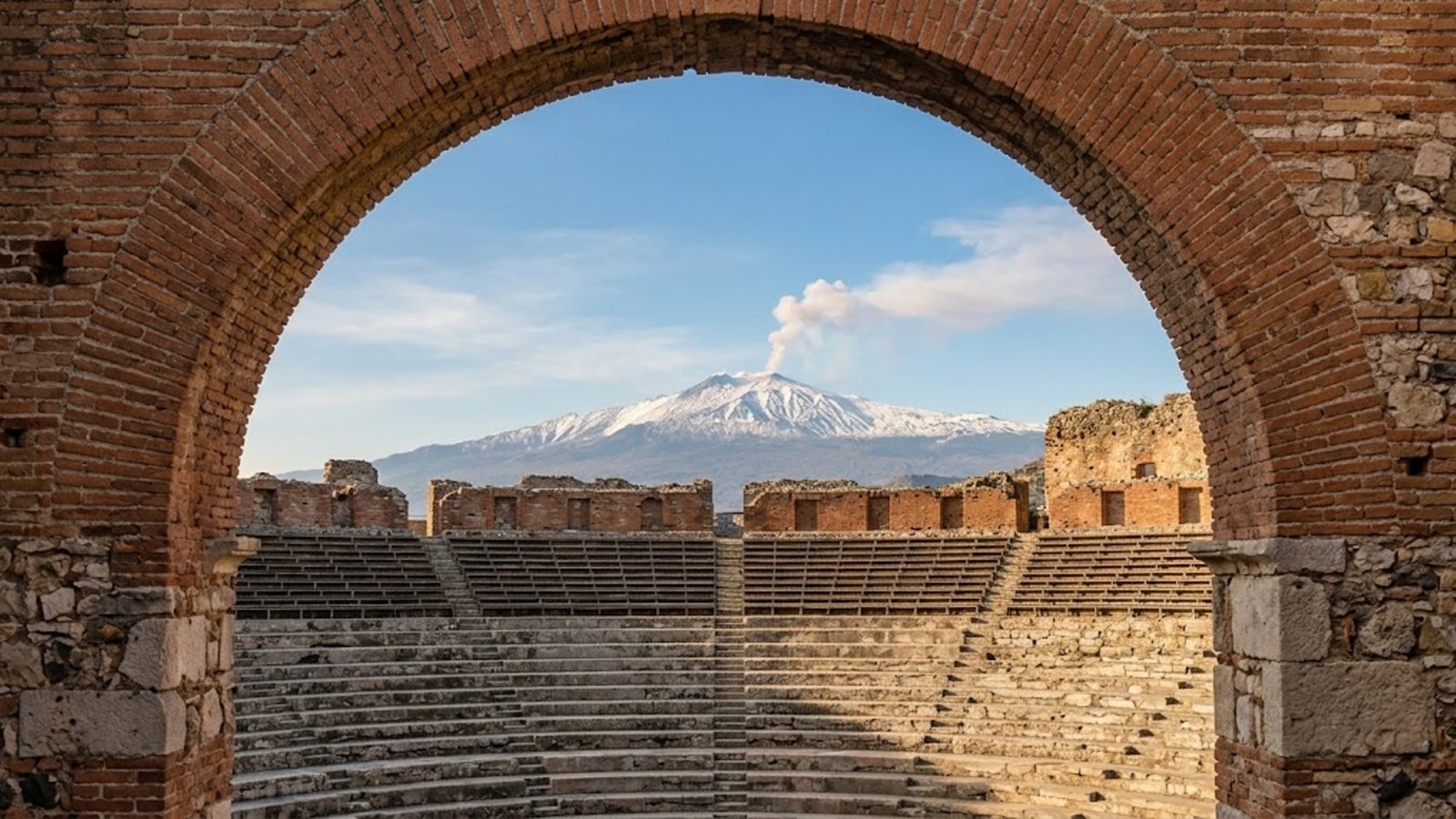
Taormina in summer is one of Italy’s most beautiful and most difficult towns: the Corso Umberto packed from ten in the morning to midnight, the Ancient Theatre visited in shifts, restaurants working in rotation, prices at their peak. Taormina off season, between October and May, is another place. The light lowers, Etna turns white with snow, the tables return to the Sicilians, the historic hotels run half-full and the town regains the rhythm of a hilltop village looking out to sea. This TourLeaderPro guide explains why, for a discerning guest, off-season Taormina is the right Taormina, and how a winter or spring stay is built.
One reading from our own network on the same ground: ItalyPlanner’s Sicilian itinerary. The way we work with tour operators and colleagues is set out in our network manifesto.
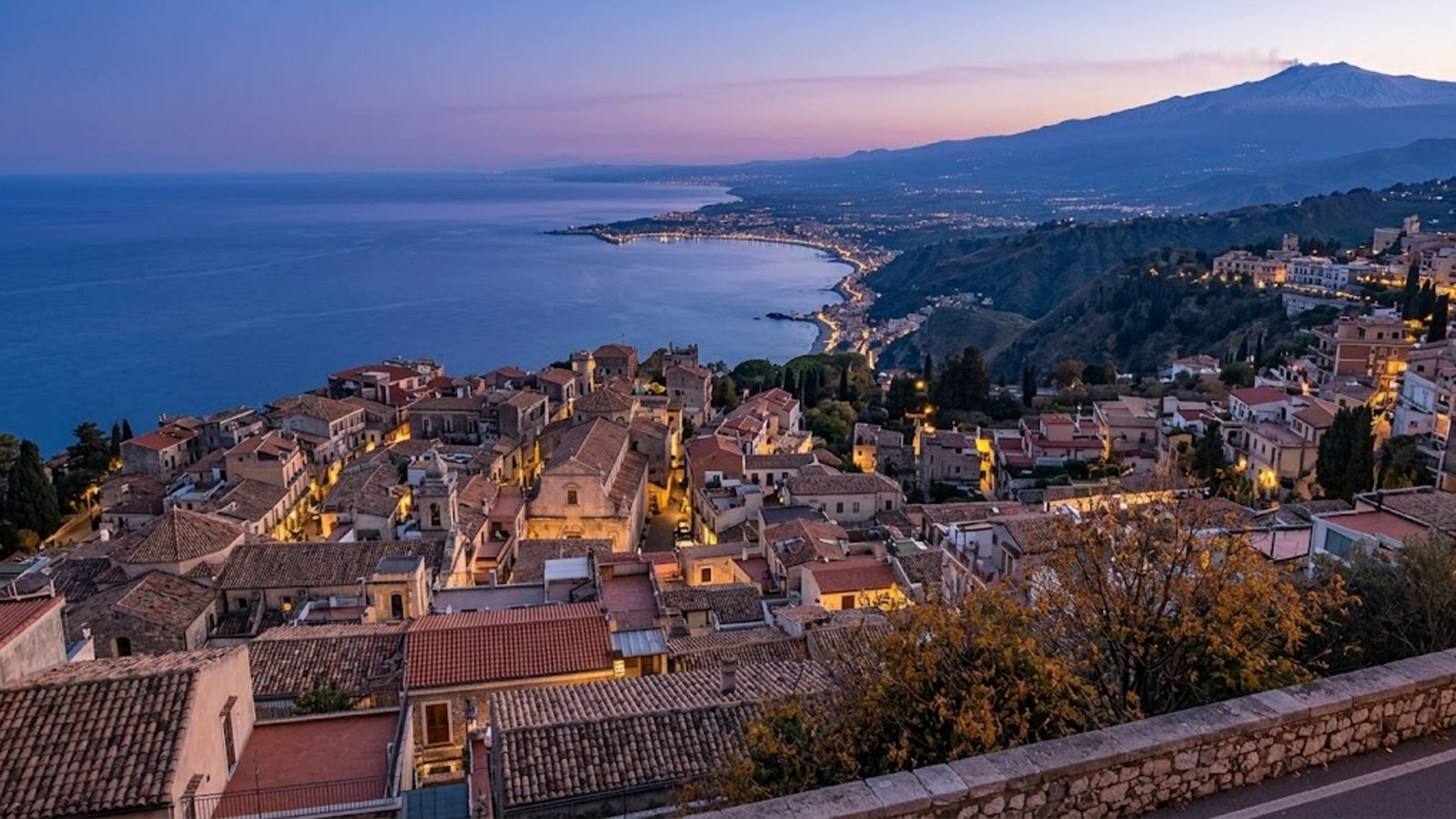
Taormina off season: what changes, month by month
| Period | Weather and light | The town | For whom |
|---|---|---|---|
| October | 20–25 °C, sea still warm, long days | still lively but breathable; the harvest on Etna | those who want summer without the crowds |
| November | 15–20 °C, brief showers, golden light | emptied out; first snow on Etna | couples, readers, lovers of silence |
| December – January | 12–17 °C, frequent sunshine | Christmas and New Year in a real town; some hotels and restaurants close for holidays | those seeking a mild, unceremonious winter |
| February – March | 14–18 °C, almond blossom, snow-covered Etna | gradual reopenings; Carnival in the nearby villages | photographers, walkers, Etna lovers |
| April – May | 18–24 °C, blooms, cool sea | the season restarts with elegance; Easter as the peak | those who want the Mediterranean spring before summer |
Indicative temperatures; seasonal closures of hotels and restaurants change every year and must be checked before booking.
The hotels: half empty, never lesser
Taormina’s great hotels — the San Domenico Palace, now a Four Seasons, in the former Dominican convent; Belmond’s Grand Hotel Timeo below the Ancient Theatre; Villa Sant’Andrea on the bay of Mazzarò — were born for the winter sojourns of the European aristocracy, between the nineteenth and twentieth centuries, when Sicily was the destination of the cold “season”. Outside summer they recover that vocation: suites available, staff with time, empty terraces at tea time. Some close for a few weeks between winter and early spring: the advisor checks the dates and, if necessary, moves the guest to a private villa with staff.
The town that returns to the Sicilians
- The Ancient Theatre of the Naxos-Taormina Archaeological Park is open all year: on a November morning, with white Etna in the background, it is the place that explains why Goethe stopped here.
- The Corso Umberto and the lanes become a stroll again; the pastry shops serve locals, the historic cafés have free tables.
- The real restaurants: off season, those that work for the town are the ones working, and the cooking — the day’s fish, Etna vegetables, citrus — is at its best.
- Castelmola, Savoca, Forza d’Agrò: the villages above and around Taormina, which in summer choke on organised excursions, become villages again.
- Isola Bella and Mazzarò: the cable car and the beach without umbrellas; in October still a swim, in winter a walk.
Etna, which in winter is another mountain
An hour from Taormina, Etna between November and March is covered in snow and can be climbed — with a volcanological guide and suitable vehicles — in a landscape no summer postcard shows: black lava and white snow, the sea below, often smoke from the summit craters. It is the most memorable day of a winter stay, and the subject of a dedicated piece of ours. On the slopes, the Etna DOC wineries open by appointment in winter too, with wines that over the last fifteen years have become among the most sought-after in Italy.
For the high-end guest
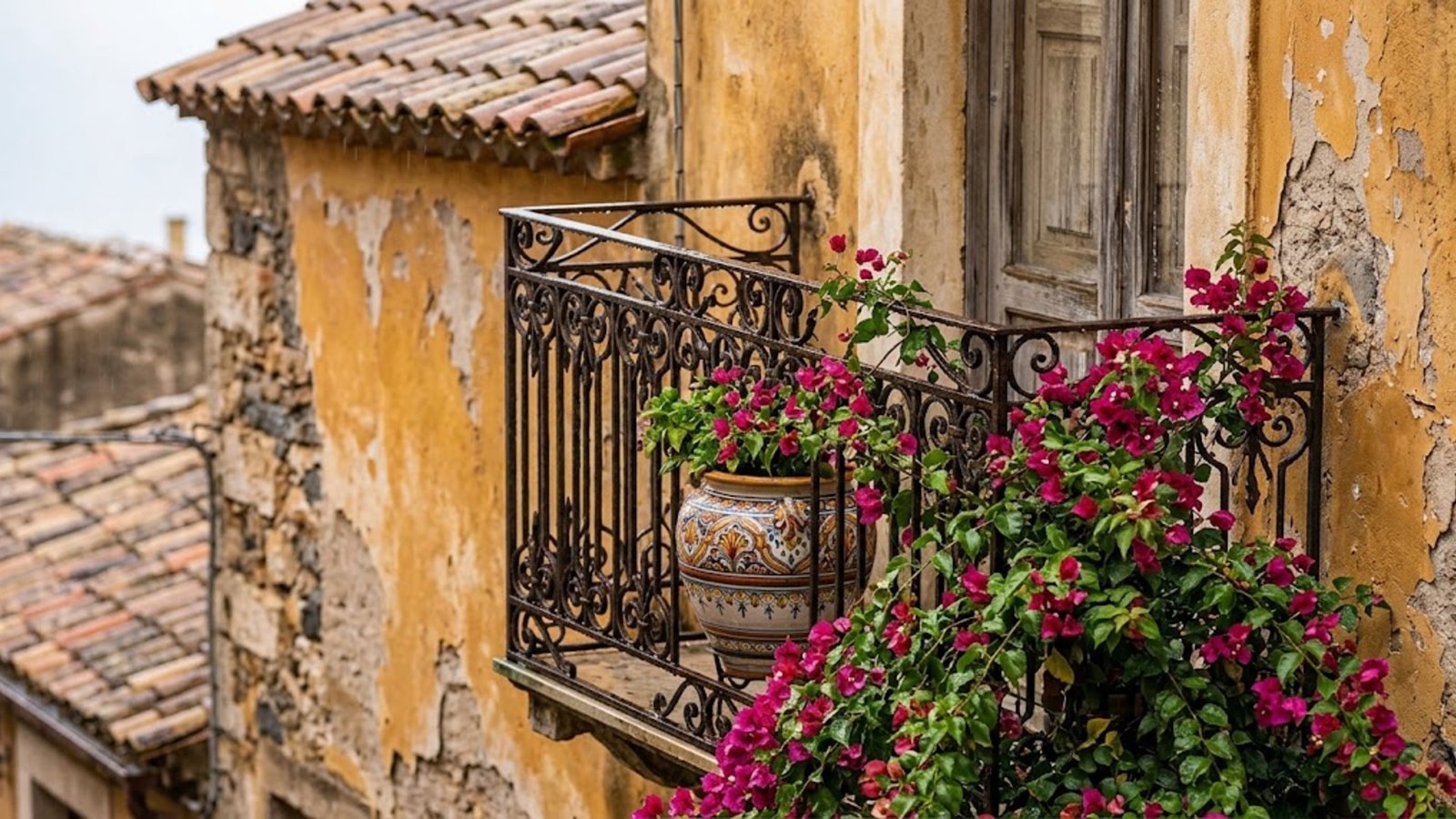
The reference stay: five nights in a historic suite or a villa with views of Etna and the sea; a morning at the Ancient Theatre at opening with an archaeologist; a day on Etna with a volcanologist and lunch at a winery; an afternoon in Savoca and Forza d’Agrò with someone who knows the families; an evening in a private home with seasonal Sicilian cooking. Catania airport an hour away, chauffeured car. The advisor secures the hotel after checking closures, books Etna with a weather margin and keeps a free day: off season, in Taormina, empty time is the true luxury. For tour operators building a stay like this: how bespoke tour design works.
Frequently asked questions
Is Taormina open in winter?
Yes, the town lives all year; some hotels and restaurants close for a few weeks between winter and early spring. Check before booking.
Can you swim in October?
Yes, the sea is still warm until mid or late October; in spring it is cool until May.
Is the Ancient Theatre open all year?
Yes, with seasonal hours published by the Naxos-Taormina Archaeological Park; check winter hours.
When can you climb Etna in winter?
With a guide and favourable weather, almost always; the altitudes reachable depend on snow and the volcano’s activity.
The people who make a good trip possible work in the field, not in an office: tour escorts, licensed tourist guides (the only ones allowed to explain monuments and sites), NCC chauffeurs. In the TourLeaderPro network you will find hundreds of these independent professionals: the tour operator or the traveller chooses them and contacts them directly. TourLeaderPro is not an agency and does not sell tours.
Piece based on the editorial team’s direct experience; for hours and openings check the Naxos and Taormina Archaeological Park and the hotels’ official websites. Etna conditions are published by INGV – Etna Observatory.
Daniele Dezi — I am a licensed tour escort (accompagnatore turistico) in Rome. If you need someone to accompany your group, or advice on planning the itinerary, write to me: I reply within 48 hours.